
Interim Analysis of the TIGERCAMP Trial Evaluating Cellular, Acellular, and Matrix-Like Products (CAMPS) in Diabetic Foot Ulcers
Journal of Chronic Wound Care Management and Research (CWCMR) ISSN: 2324-481X: Published July 29th 2026
Sasha Frade1 PhD; *Brianna Tramelli2 BS; Zwelithini Tunyiswa1 BA; Dereck Shi2 MS; Emily Cook2 MS; Thomas Serena2, MD
1 Open Wound Research, Puyallup, WA 98372; 2 SerenaGroup, Inc., Norwell, MA 02061, US
* Correspondence: btramelli@serenagroups.com
ABSTRACT
Background: Chronic wounds, including diabetic foot ulcers (DFUs), often fail to achieve closure under standard of care (SOC). Cellular, acellular, and matrix-like products (CAMPs) have emerged as advanced wound care therapies intended for use in wounds that fail to respond adequately to SOC. The TIGERCAMP trial was designed as a modified platform study to evaluate multiple CAMPs in the management of DFUs.
Methods: TIGERCAMP is a multicenter, prospective, randomized controlled platform trial comparing SOC alone to SOC plus multiple CAMPs in adults (≥21 years) with nonhealing DFUs. SOC included debridement, infection control, moisture balance, and offloading. The primary endpoint was confirmed complete wound closure at 12 weeks following treatment initiation. Secondary endpoints include time to closure, percent wound area reduction (PAR), pain, adverse events, and number of graft applications. This report presents a pre-specified interim analysis using descriptive summaries and Bayesian statistical methods to evaluate clinical outcomes. The product evaluated in this interim analysis is a full-thickness placental membrane allograft (FT; caregraFT™, Tiger Wound Care Medical, LLC, Conshohocken, PA, US).
Results: A total of 168 participants were screened, of whom 71 were included in the interim analysis.
Bayesian estimates of complete wound closure at 12 weeks directionally favored FT+SOC relative to SOC alone, with numerically higher posterior estimates observed in the FT+SOC arm. The posterior probability of wound closure under SOC alone was 27.7% (95% credible interval: 12.6% - 43.8%), while higher posterior estimates were observed in the FT+SOC cohort. PAR estimates were also directionally greater among FT+SOC-treated participants compared with SOC alone.
Conclusions: Interim findings from the TIGERCAMP platform trial suggest that FT applied as an adjunct to SOC demonstrated directionally favorable wound closure and PAR outcomes compared with SOC alone.
While dataset is exploratory and interim in nature, these findings support continued evaluation of FT within the ongoing TIGERCAMP trial.
Keywords: Chronic wounds; diabetic foot ulcer; full-thickness allograft; cellular and tissue-based products; wound closure; wound covering; platform trial; interim analysis
Chronic wounds represent a significant and growing global health challenge, affecting hundreds of millions of individuals worldwide and contributing substantially to healthcare resources and costs. Diabetic foot ulcers (DFUs) are among the most prevalent and clinically burdensome wound types. DFUs affect approximately 15–25% of individuals with diabetes during their lifetime and are a leading cause of non-traumatic lower-extremity amputation.1-3
Despite established standards of care (SOC), including debridement, infection control, and offloading, healing outcomes remain suboptimal. Previous studies have demonstrated that a substantial proportion of chronic wounds fail to achieve complete closure within 12 weeks under SOC alone, highlighting a persistent unmet clinical need.4 Delayed healing is associated not only with increased risk of complications such as infection and amputation but also with reduced quality of life and increased economic burden.5
In response to these challenges, cellular, acellular, and matrix-like products (CAMPs) have emerged as adjunctive therapies designed to promote wound closure through a variety of mechanisms, including provision of extracellular matrix scaffolding, and modulation of inflammation.6 A growing body of evidence suggests that the category of CAMPs may help to improve wound closure rates compared to SOC alone in patients with DFUs and other wound types.7,8
Traditional randomized controlled trials (RCTs) are limited in their ability to efficiently evaluate multiple therapies in rapidly evolving therapeutic areas such as healing chronic wounds. These trials typically assess a single intervention against a control group within a rigid design. They are resource-intensive and do not allow modification in the face of emerging evidence.9
Platform trial designs have gained increasing attention as an innovative alternative, allowing for the simultaneous evaluation of multiple interventions within a single ‘umbrella’ protocol. Such designs enable the addition or removal of product arms over time and facilitate more efficient use of data and resources. While platform trials have been widely applied in other areas of medicine, it is only in the last two years that they have gained popularity in wound healing trials.10-14
The TIGERCAMP trial was developed to address these gaps through a multicenter, prospective, randomized controlled modified platform (‘Matriarch’) design evaluating multiple CAMPs in combination with SOC compared to SOC alone in patients with nonhealing DFUs and VLUs. By incorporating an adaptive framework, this study aims to generate more efficient and generalizable evidence on the effectiveness of CAMPs across diverse wound populations.
The present manuscript reports an interim analysis of the TIGERCAMP trial DFU cohort. Given the ongoing nature of the study, this analysis is intended to provide an early picture of patient characteristics, and preliminary clinical outcomes, including wound closure and percentage wound area reduction. These interim findings are exploratory and are intended to inform ongoing study conduct and future analyses.
MATERIALS AND METHODS
STUDY DESIGN
Chronic wounds represent a significant and growing global health challenge, affecting hundreds of millions of individuals worldwide and contributing substantially to healthcare resources and costs.
Diabetic foot ulcers (DFUs) are among the most prevalent and clinically burdensome wound types. DFUs affect approximately 15–25% of individuals with diabetes during their lifetime and are a leading cause of non-traumatic lower-extremity amputation.1-3
Despite established standards of care (SOC), including debridement, infection control, and offloading, healing outcomes remain suboptimal. Previous studies have demonstrated that a substantial proportion of chronic wounds fail to achieve complete closure within 12 weeks under SOC alone, highlighting a persistent unmet clinical need.4 Delayed healing is associated not only with increased risk of complications such as infection and amputation but also with reduced quality of life and increased economic burden.5
In response to these challenges, cellular, acellular, and matrix-like products (CAMPs) have emerged as adjunctive therapies designed to promote wound closure through a variety of mechanisms, including provision of extracellular matrix scaffolding, and modulation of inflammation.6 A growing body of evidence suggests that the category of CAMPs may help to improve wound closure rates compared to SOC alone in patients with DFUs and other wound types.7,8
Traditional randomized controlled trials (RCTs) are limited in their ability to efficiently evaluate multiple therapies in rapidly evolving therapeutic areas such as healing chronic wounds. These trials typically assess a single intervention against a control group within a rigid design. They are resource-intensive and do not allow modification in the face of emerging evidence.9
Platform trial designs have gained increasing attention as an innovative alternative, allowing for the simultaneous evaluation of multiple interventions within a single ‘umbrella’ protocol. Such designs enable the addition or removal of product arms over time and facilitate more efficient use of data and resources. While platform trials have been widely applied in other areas of medicine, it is only in the last two years that they have gained popularity in wound healing trials.10-14
The TIGERCAMP trial was developed to address these gaps through a multicenter, prospective, randomized controlled modified platform (‘Matriarch’) design evaluating multiple CAMPs in combination with SOC compared to SOC alone in patients with nonhealing DFUs and VLUs. By incorporating an adaptive framework, this study aims to generate more efficient and generalizable evidence on the effectiveness of CAMPs across diverse wound populations.
The present manuscript reports an interim analysis of the TIGERCAMP trial DFU cohort. Given the ongoing nature of the study, this analysis is intended to provide an early picture of patient characteristics, and preliminary clinical outcomes, including wound closure and percentage wound area reduction. These interim findings are exploratory and are intended to inform ongoing study conduct and future analyses.
The TIGERCAMP trial (clinicaltrials.gov NCT06826339) is a multicenter, prospective, randomized controlled clinical study utilizing a modified multi-platform (‘Matriarch’) trial design to evaluate the effectiveness of multiple CAMPs in the management of chronic wounds. This adaptive platform design permits the simultaneous evaluation of multiple products within a single protocol, with the flexibility to introduce or discontinue study product arms in response to interim findings.
The study evaluates interventions across two chronic wound populations - DFUs and VLUs - which, although distinct in etiology, share common biological pathways of impaired wound closure. Participants are randomized in a parallel-group design to receive either SOC alone or SOC in combination with one of the CAMPs.
The trial is conducted across multiple wound care centers, with standardized procedures for screening, product application, assessment, and follow-up to ensure consistency across sites. The duration of participation for each subject is up to 12 weeks, corresponding to the application and follow-up period, or until confirmed wound closure, whichever occurs first.
OBJECTIVES AND ENDPOINTS
The primary objective of the TIGERCAMP trial is to evaluate differences between product arms in the proportion of subjects achieving complete wound closure within 12 weeks with application of CAMPs in combination with SOC compared to SOC alone.
Secondary objectives include assessment of time to wound closure over the study period, evaluation of percentage area reduction (PAR) as a measure of wound closure trajectory, characterization of changes in pain scores assessed using the Visual Analog Scale (VAS), evaluation of the frequency and nature of adverse events associated with product application (not included in this interim analysis), and the average number of graft applications administered per participant.
Exploratory objectives include assessment of patient-reported outcomes, including wound-related quality of life and functional status, as well as subgroup analyses based on predefined clinical and demographic characteristics (e.g., wound type, age, and comorbid conditions). These exploratory analyses are intended to generate hypotheses and inform subsequent analyses within the platform trial framework.
ELIGIBILITY CRITERIA
The study population comprises adult patients presenting with nonhealing DFUs who are receiving care at participating wound care centers. Participants are recruited from clinic populations and undergo screening to determine eligibility in accordance with protocol-defined criteria.
Eligible participants are required to have a chronic ulcer of defined duration and size that has demonstrated a failure to achieve 40% PAR in 4 weeks. Baseline demographic and clinical characteristics are collected at the time of enrollment, including age, sex, comorbid conditions, wound size, and ulcer duration.
These characteristics are summarized descriptively and are presented in the Results section.
Eligibility for participation in the TIGERCAMP trial is determined based on predefined inclusion and exclusion criteria specified in the study protocol. These criteria are designed to identify a population of patients with chronic, nonhealing wounds while minimizing confounding factors that may interfere with wound closure or study participation.
Inclusion criteria require participants to be adults (≥21 years of age) with a confirmed diagnosis of diabetic foot ulcer (DFU), with a target ulcer meeting specified size and duration thresholds. Adequate vascular perfusion must be demonstrated using standard clinical assessments, and participants must be willing and able to comply with all study procedures and scheduled visits. These criteria include predefined thresholds for ulcer size, duration, and response to prior SOC.
As part of the eligibility criteria evaluation, failure to achieve 40% PAR in 4-weeks during the run-in period was determined using serial wound measurements obtained using standardized digital planimetry following debridement procedures.
Adequate vascular perfusion was confirmed using at least one of the following protocol-defined criteria:
ABI between 0.7 and 1.2; TBI ≥0.6; TcOM ≥30 mmHg, or equivalent investigator-confirmed evidence of adequate perfusion.
Osteomyelitis exclusion was determined through clinical assessment and imaging where clinically indicated.
Exclusion criteria include conditions that may impair wound closure or confound outcome assessment, such as active infection requiring systemic antibiotic therapy, evidence of osteomyelitis or exposed critical structures, and recent use of advanced therapies that could influence wound closure outcomes. Additional exclusions include significant comorbid conditions or clinical circumstances that, in the opinion of the investigator, would compromise patient safety or the integrity of the study. Full inclusion and exclusion criteria are detailed in Table 1.
|
Inclusion Criteria |
Exclusion Criteria |
|
Age ≥21 years |
Life expectancy <6 months |
|
Diagnosis of type 1 or type 2 diabetes |
Active infection requiring systemic antibiotics or surrounding cellulitis |
|
Target ulcer size between 1.0 cm² and 20.0 cm² (post-debridement) |
Ulcer with exposed tendon or bone |
|
Ulcer duration between 4 and 52 weeks prior to screening |
Evidence of osteomyelitis |
|
Ulcer located on the foot, with ≥ 50% below the malleolus |
Use of immunosuppressive therapy, cytotoxic chemotherapy, or medications interfering with wound closure |
|
Wagner grade 1 or 2 ulcer extending through dermis or subcutaneous tissue |
Use of topical steroids on ulcer within 1 month prior to screening |
|
Adequate vascular perfusion confirmed by standard assessment |
Prior partial amputation impairing effective offloading |
|
Target ulcer identified as largest qualifying ulcer (if multiple present) |
HbA1c ≥12% within 3 months prior to screening |
|
Offloading implemented for plantar ulcers for ≥14 days prior to enrollment |
≥20% reduction in ulcer size during run-in or screening period |
|
Willingness to comply with offloading requirements and study visits |
Acute or inactive Charcot foot impairing offloading |
|
Ability to provide informed consent |
Pregnancy or planned pregnancy |
|
|
End-stage renal disease requiring dialysis |
|
|
Participation in another clinical trial within 30 days |
|
|
Recent use of CAMPs or hyperbaric oxygen therapy within 30 days |
|
|
Malnutrition (Mini Nutritional Assessment score <17) |
|
|
Investigator-determined conditions compromising safety or study integrity |
INTERVENTIONS AND PRODUCT DESCRIPTION
Consistent with the study design described above, participants were randomized to receive either SOC alone or SOC in combination with one of several CAMPs. This report is limited to the evaluation of a single CAMP, a full-thickness placental membrane allograft (FT; caregraFT™, Tiger Wound Care Medical, LLC, Conshohocken, PA, US), in the DFU cohort. FT is a dehydrated full-thickness placental membrane allograft derived from human placental tissue and serves as a barrier and provides a protective coverage.
This product is processed in accordance with applicable regulatory standards for human tissue-based products and is supplied in sterile packaging for clinical use. A representative image of the FT allograft is shown in Figure 1. Upon application, the tissue product acts as a barrier to the wound bed and is used in conjunction with standard wound care practices. Additional product-specific handling, storage, and application procedures were followed in accordance with manufacturer instructions for use and study protocol specifications.
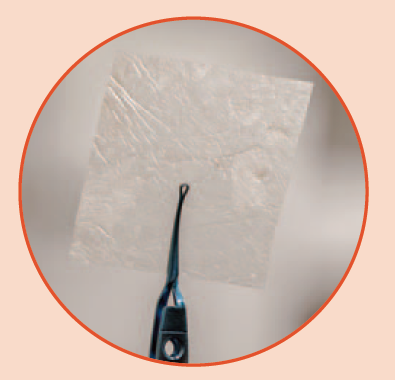
Figure 1. Representative image of the full-thickness placental membrane allograft (FT; caregraFT™, Tiger Wound Care Medical, LLC, Conshohocken, PA, US) used in the TIGERCAMP DFU interim analysis. The allograft is derived from human placental tissue and is supplied in sterile packaging for clinical application.
SOC was applied consistently across all arms and included regular wound debridement, management of bacterial burden, and maintenance of an optimal moist wound environment using appropriate dressings. Offloading was implemented using a removable fixed-ankle Walker (Foot Defender®, Defender Ops, Miami, FL, US) or total contact casting. The selected CAMP was administered according to protocol-defined application schedules over a 12-week period or until confirmed wound closure.
Offloading adherence was monitored at scheduled visits through investigator assessment, patient reporting, and review of offloading device use. Deviations from protocol-defined offloading procedures were documented and reviewed during interim data assessment.
STUDY PROCEDURES
Participants underwent a structured sequence of study visits, including screening, enrollment/randomization, application visits, and a closure confirmation visit. Screening was conducted within approximately 14 days prior to enrollment, during which informed consent was obtained and eligibility criteria were assessed through review of medical history, physical examination, and relevant diagnostic evaluations.
At the screening visit, baseline demographic and clinical data were collected, including age, sex, comorbid conditions, medication use, and wound characteristics. Wound assessment included measurement of ulcer size using digital planimetry, documentation via standardized imaging techniques, and clinical evaluation of wound bed characteristics (e.g., granulation tissue, exudate, and periwound condition). Vascular assessment was performed using ankle-brachial index (ABI), toe-brachial index (TBI), or transcutaneous oxygen measurement (TCOM) to confirm adequate perfusion.
Eligible participants entered a run-in period during which SOC was administered. Following confirmation of eligibility, participants were randomized at the baseline visit (Day 0). At this visit, wound cleansing, debridement, and initial product allocation were performed.
Participants returned for regular follow-up visits at approximately weekly intervals (±3 days) throughout the 12-week application period. At each visit, wound assessment was repeated, including measurement of wound area, photographic documentation, and evaluation of wound progression. Pain assessment and adverse event monitoring were conducted at each visit, and any changes in concomitant medications or clinical status were recorded.
CAMPs were applied according to product allocation, with frequency and number of applications determined by protocol-defined criteria and clinical judgment. Dressing changes and adjunctive wound care were performed as needed. Unscheduled visits were permitted and were documented accordingly.
Wound closure was defined as complete re-epithelialization without drainage and was confirmed at a dedicated closure confirmation visit conducted approximately 14 days after initial observation of closure. A detailed schedule of study visits and assessments is provided in Table 2.
Table 2. Study Schedule.
|
Study Phase / Visit |
Screening |
Baseline/ Randomization |
Weekly Visits (TV-2 to TV-12) |
Closure Confirmation/ Final Visit |
|
Informed consent |
✓ |
|
|
|
|
Eligibility assessment |
✓ |
✓ (confirm) |
|
|
|
Medical history & demographics |
✓ |
|
|
|
|
Vascular assessment (ABI/TBI/TCOM) |
✓ |
|
As needed |
|
|
Wound assessment & measurement |
✓ |
✓ |
✓ |
✓ |
|
Digital imaging |
✓ |
✓ |
✓ |
✓ |
|
Debridement |
|
✓ |
✓ |
As needed |
|
Randomization |
|
✓ |
|
|
|
Product application (FT+ SOC or SOC alone) |
|
✓ |
✓ |
|
|
Dressing changes/wound care |
|
✓ |
✓ |
|
|
Offloading |
|
✓ |
✓ |
|
|
Pain assessment (VAS) |
|
✓ |
✓ |
✓ |
|
Adverse event monitoring |
|
✓ |
✓ |
✓ |
|
Quality of life (wQOL, FWS) |
|
✓ |
Selected visits1 |
✓ |
|
Wound closure confirmation |
|
|
|
✓ |
1 Typically collected at predefined intervals (e.g., Weeks 4, 8, and 12).
OUTCOME MEASURES
The primary endpoint was confirmed complete wound closure within 12 weeks, operationally defined as complete re-epithelialization of the target ulcer without drainage, confirmed two weeks later at the closure confirmation visit. Closure confirmation required clinical assessment supported by standardized wound photography and digital planimetry.
At the interim data cut, analyses focused on complete wound closure, PAR, product application exposure, and descriptive safety summaries. Pain outcomes and patient-reported outcomes will be evaluated in future analyses following additional follow-up and enrollment completion. Exploratory endpoints included patient-reported outcomes related to quality of life and functional status, assessed using validated instruments such as the Wound Quality of Life (wQOL) questionnaire and the Forgotten Wound Score (FWS), at predefined study visits.
At the time of interim analysis, the primary endpoint and PAR were evaluated, along with descriptive summaries of product application exposure.
INTERIM ANALYSIS
This manuscript presents an interim analysis conducted in accordance with the study protocol. The analysis includes data from participants enrolled and evaluated up to a predefined data cut-off date. Interim analyses were performed at predefined enrollment milestones to assess early trends in clinical outcomes and product performance across study arms.
In preparation for the interim analysis, a protocol-defined data lock was performed in April 2026. Independent assessors reviewed eligibility criteria and data completeness prior to analysis and remained blinded during interim comparative analyses. Sponsor access to comparative interim analyses was restricted to authorized statistical personnel.
No formal efficacy or futility stopping thresholds were pre-specified for this interim analysis. Accordingly, the interim findings are intended solely to provide exploratory estimates of treatment effect and uncertainty and are not intended to support confirmatory conclusions or early stopping decisions.
Given the ongoing nature of the study and evolving sample size, the present analysis is exploratory and is not intended to provide definitive comparisons between study arms.
ANALYSIS POPULATIONS
The intention-to-treat (ITT) analysis set included all randomized DFU participants assigned to SOC or FT+SOC. At the interim data cut, the ITT population comprised 34 SOC participants and 37 FT+SOC participants. The per-protocol (PP) population included ITT participants who completed 12-week follow-up or achieved confirmed wound closure within 12 weeks without major protocol deviations affecting the primary endpoint. At the interim data cut, the PP population comprised 27 SOC participants and 16 FT+SOC participants.
No modified intention-to-treat (mITT) population was defined for this interim analysis. All interim comparative analyses presented in this manuscript were conducted using the ITT population.
STATISTICAL ANALYSIS
Key clinical outcomes, including complete wound closure and percent area reduction (PAR), were evaluated using Bayesian methods. Wound area was modeled using a two-part hurdle-gamma regression model consisting of (1) a logit-link sub-model for complete wound closure probability, and (2) a log-link sub-model for conditional non-zero wound area. Both components included fixed effects for study arm, visit week, arm-by-week interaction, and log baseline wound area, with random intercepts for study site and participant.
Weakly informative default priors implemented through Bambi and consistent with the framework described by Gelman et al. were used throughout.15-17 No informative, historical-control, skeptical, or enthusiastic priors were imposed. Posterior estimation was performed using Hamiltonian Monte Carlo with No-U-Turn Sampling (NUTS). Analyses were implemented in Bambi (v0.13) on PyMC (v5.28), with NUTS sampling via nutpie (v0.16.8) and posterior diagnostics performed using ArviZ (v0.23.4). Four chains with 3,000 warm-up iterations and 1,000 post-warm-up draws per chain were used. Convergence diagnostics demonstrated satisfactory mixing with R-hat values <1.01 and no divergent transitions. Posterior means and corresponding credible intervals are reported descriptively. Comparative estimates between FT+SOC and SOC alone are exploratory and intended to quantify interim directional trends and uncertainty rather than establish confirmatory superiority. Model fit was evaluated using graphical posterior predictive checks and leave-one-out cross-validation. Overall, six of 829 observations (0.7%) were identified as potentially influential, without concentration within any single study arm or site.
Baseline characteristics were summarized descriptively by treatment arm for the interim analysis population. Baseline differences were reviewed for potential clinical relevance, particularly for factors known to influence wound healing outcomes, including HbA1c, Wagner grade, smoking status, wound size, and ulcer duration. No formal hypothesis testing of baseline characteristics was performed, consistent with the randomized study design and the exploratory nature of the interim analysis. Observed imbalances were considered when interpreting interim efficacy estimates.
The FT+SOC arm was compared with SOC participants enrolled under the same platform protocol and available at the same interim data cut.
ETHICAL CONSIDERATIONS
The study is conducted in accordance with the principles of the Declaration of Helsinki, Good Clinical Practice guidelines, and applicable regulatory requirements. Institutional Review Board (IRB) approval was obtained for all participating study sites prior to initiation of the study (approved by the Advarra Institutional Review Board (Pro00082964)). Written informed consent was obtained from all participants prior to enrollment. Written informed consent was also obtained for wound photography and potential publication of de-identified clinical images.
Participant confidentiality was maintained through the use of anonymized study identifiers and de-identified datasets in accordance with applicable data protection requirements.
RESULTS
STUDY POPULATION AND BASELINE CHARACTERISTICS
A CONSORT-style participant flow diagram summarizing screening, enrollment, allocation, follow-up, and interim analysis inclusion is presented in Figure 2.
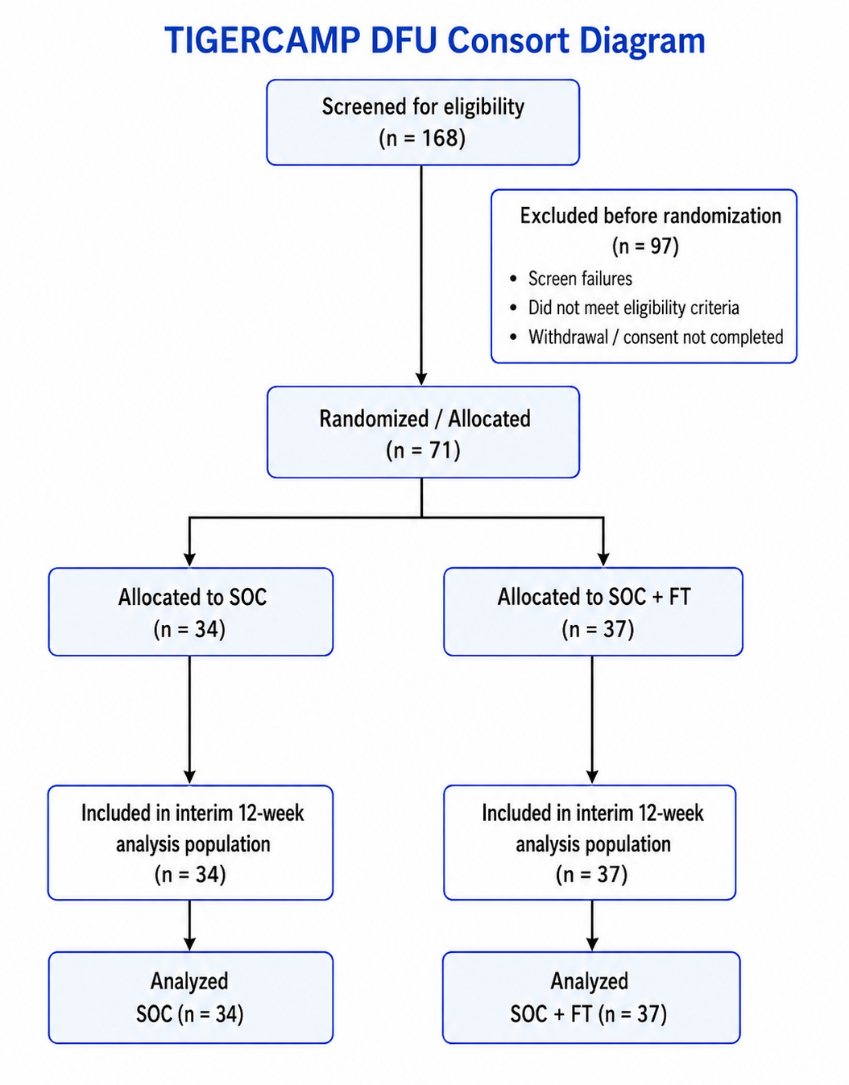
Figure 2. TIGERCAMP DFU Consort Diagram.
A total of 168 participants were screened in the TIGERCAMP DFU trial and evaluated up to the interim data cutoff, of whom 71 had sufficient follow-up for inclusion in the analysis. Participants were distributed across study arms receiving SOC alone or SOC in combination with FT. Baseline demographic and clinical characteristics are presented in Table 3. The mean age of participants was 63.4 years, and 46.5% were male. Baseline wound characteristics were consistent with a chronic wound population, with a mean wound area of 4.7cm² and a median ulcer duration of 16.0 weeks at study entry.
Table 3. Baseline Demographics.
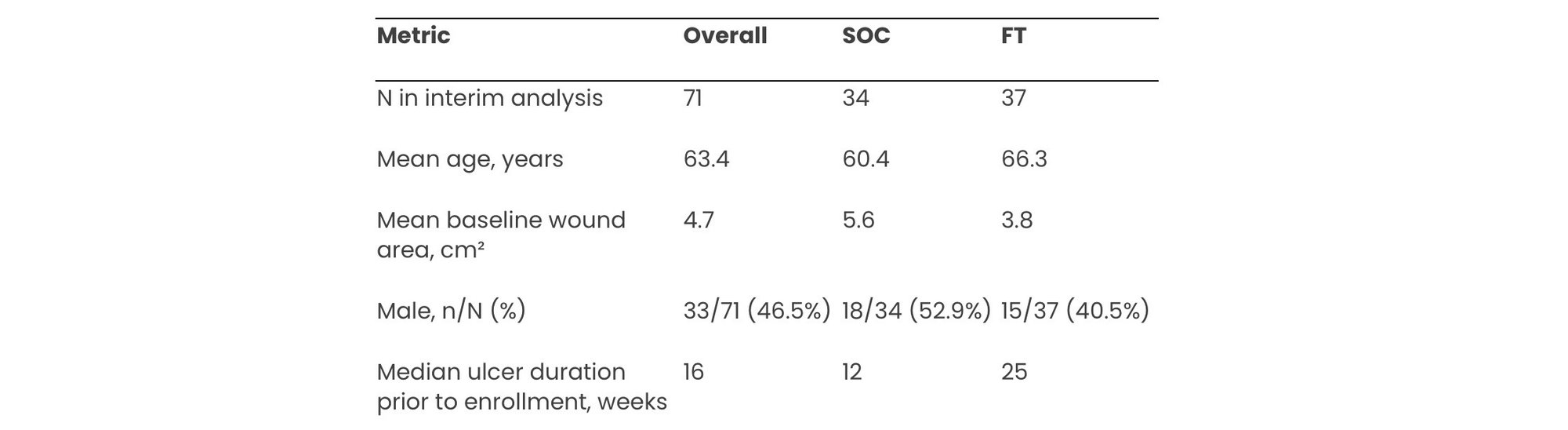
Although baseline characteristics were broadly consistent with chronic DFU populations, differences in age, wound size, and ulcer duration were observed between interim study arms and should be considered when interpreting these exploratory estimates.
COMPLETE WOUND CLOSURE
The posterior mean probability of achieving complete wound closure was 27.7% (12.6% to 43.8%) in the SOC cohort and 46.0% (24.1% to 66.8%) in the FT+SOC cohort, as shown in Figure 3. The posterior mean closure probability was higher in the FT+SOC arm than in SOC. The 95% credible interval for the risk ratio included values consistent with both a meaningful benefit and the null effect. Overall, the observed posterior favors FT+SOC directionally, considering the continuously evolving interim dataset.
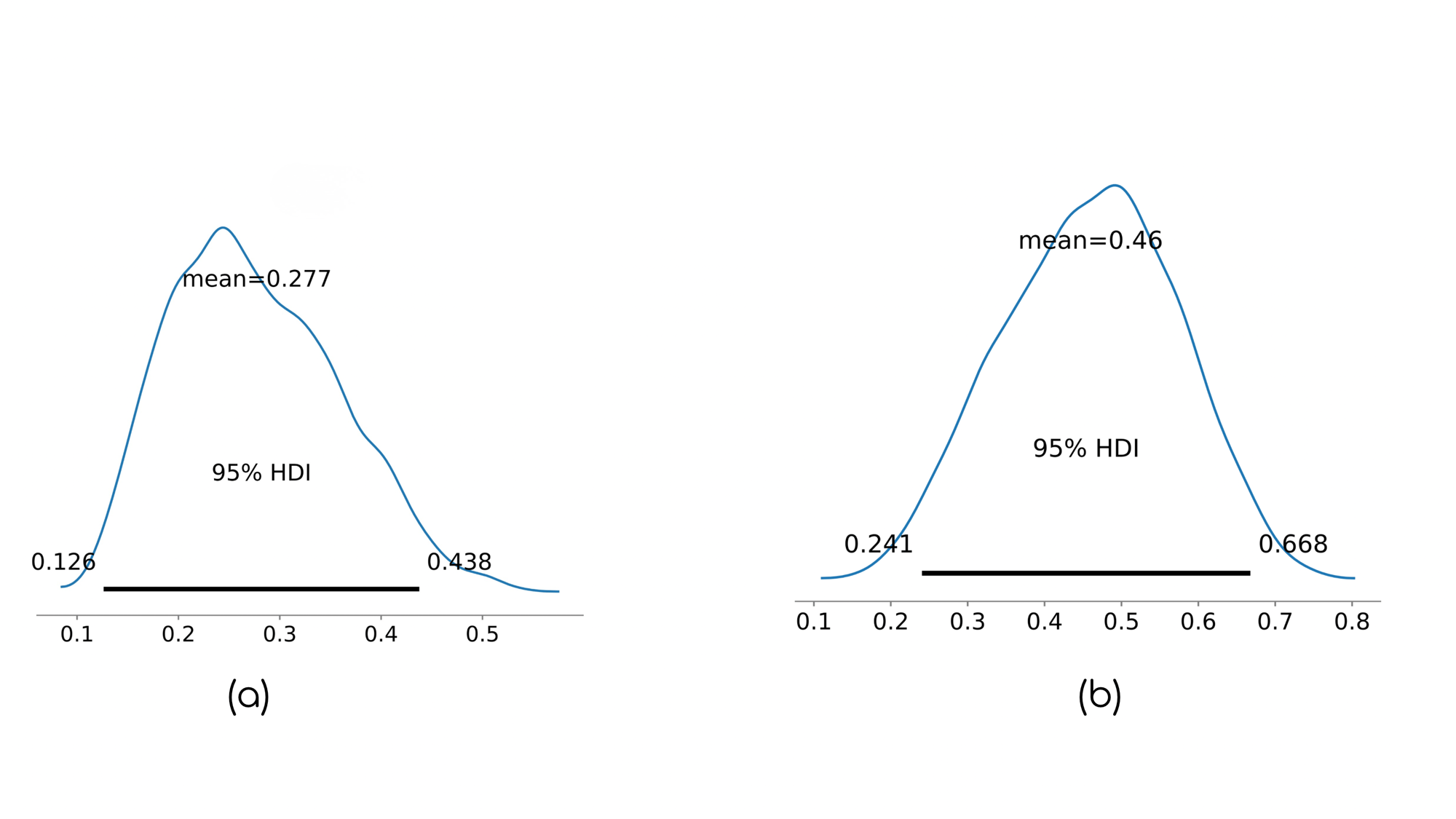
Figure 3. Complete Wound Closure, DFU cohort, (a) SOC alone and (b) FT+SOC.
Observed complete wound closure within 12 weeks occurred in 9/27 participants in the SOC arm and 8/16 participants in the FT+SOC arm. The resulting risk ratio of 1.76 (0.853 to 2.87) for FT+SOC, shown in Figure 4, suggests that the application of FT may achieve outcomes comparable to, or numerically greater than, SOC alone. In this case, a risk ratio greater than 1 corresponds to a higher posterior closure probability for FT+SOC than for SOC under the fitted model. In this case, the posterior probability that the risk ratio exceeds 1 was 0.96 under the fitted model.
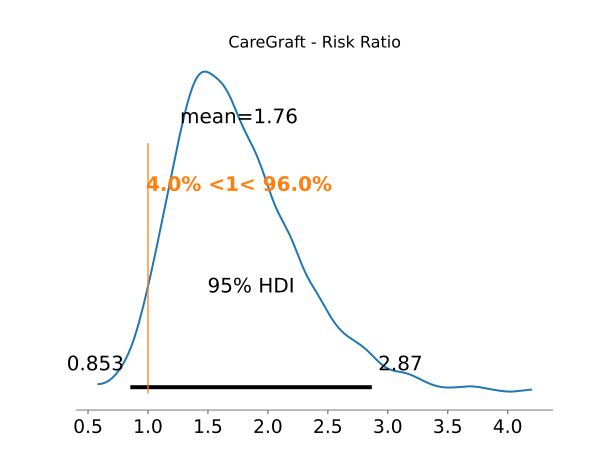
Figure 4. Complete Wound Closure Risk Ratio, FT+SOC
PAR
Bayesian estimates demonstrated a posterior mean percent wound area reduction of 39% (8.8% to 65%) for SOC alone. By comparison, higher estimated reductions were observed in the FT+SOC arm, with a posterior mean PAR of 61% (34% to 84%), shown in Figure 5. Posterior mean PAR was directionally higher in the FT+SOC arm; the credible interval reflects appropriate interim.
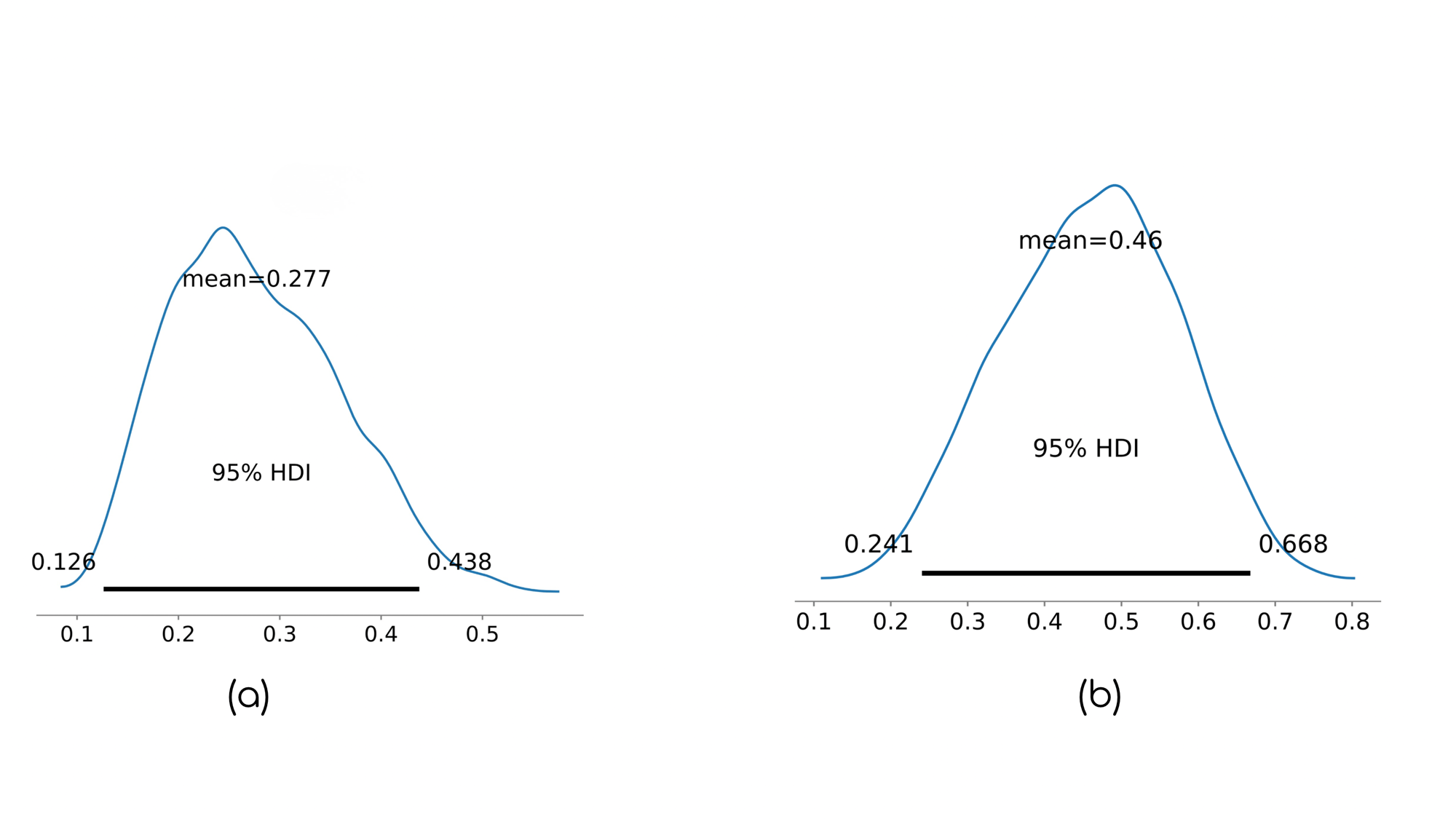
Figure 5. PAR, (a) SOC alone and (b) FT+SOC
SAFETY OUTCOMES
At the interim data cut, no product-related adverse events or serious adverse events were observed among participants receiving FT+SOC. Adverse events were collected systematically at scheduled study visits and through the assessment of interim clinical events occurring during the follow-up period. Comprehensive safety analyses, including arm-level adverse event tabulations, remain ongoing and will be reported in the final analysis.
INTERIM ANALYSIS SUMMARY
Based on a posterior probability of 96%, posterior estimates directionally favored FT+SOC relative to SOC alone. The planned final analysis will continue to evaluate these directional trends to further explore sustainability.
DISCUSSION
This interim analysis provides preliminary directional evidence consistent with improved wound closure outcomes in the FT+SOC arm relative to SOC alone. Baseline demographic and wound characteristics are consistent with typical DFU populations, including advanced age, prolonged ulcer duration, and moderate baseline wound size, supporting the generalizability of these findings to real-world clinical settings.1,4,6
Bayesian estimates are directionally consistent with greater improvement in the FT+SOC arm, which aligns with prior studies evaluating advanced wound therapies.7,8 The posterior probability of closure under SOC alone was estimated at 27.7% (12.6% to 43.8%), while the FT+SOC arm showed a numerically higher probability of closure. Corresponding risk ratios directionally favored FT+SOC relative to SOC alone, although it is noted that intervals are currently wide to indicate appropriate uncertainty and include unity (attenuated with a 4% posterior probability) due to the interim nature of this analysis and the sample size used for this data cut. These findings may therefore be interpreted as directional.
Evaluation of percent wound area reduction (PAR) further supports these observations. The posterior mean PAR under SOC alone was estimated at 39% (8.8-65%), while the FT+SOC arm demonstrated higher estimated reduction. The magnitude of PAR observed is clinically meaningful, as early and sustained PAR is a recognized surrogate for eventual wound closure. The consistency between PAR trends and complete closure outcomes provides supportive evidence for application of FT as a viable adjunct to SOC.
Overall, the Bayesian framework applied in this analysis provides clinically interpretable estimates of the product effect, allowing direct probabilistic statements about closure and wound reduction. This approach is particularly valuable in the interim setting, where it enables the assessment of emerging trends while explicitly quantifying uncertainty.
These interim trends support continuation of the trial as planned, providing justifiable trends highlighting safety and efficacy. The results are also consistent with the results for other CAMPs enrolled under similar protocols.
Limitations due to the interim, ongoing nature of this analysis are noted by the authors. Intervals are reflective of the small interim sample size and current data availability. Nonetheless, the consistency of findings across endpoints supports evaluation and result outcomes that are consistent with prior published literature with small sample sizes for final, non-interim, results. Similar sample sizes have been reported in prior randomized studies of advanced wound therapies, which have demonstrated consistent improvements in wound closure outcomes and have been accepted in the scientific literature despite limited cohort sizes.18,19 These interim data provide preliminary evidence that CAMPs may improve wound closure outcomes in chronic wound populations. Final analyses with complete follow-up data will be analyzed at the completion of the study to confirm trends and further evaluate the magnitude of placental tissue product application.
LIMITATIONS
The analysis reflects an evolving dataset with ongoing follow-up and an interim sample size that will mature as the study hits completion. As such, the interim results depict wide credible intervals, which are expected to become further refined as the precision of treatment effects are captured over time. As seen in other published literature including randomization, baseline imbalances between cohorts – for example, with respect to ulcer duration and age – may influence observed treatment estimates despite protocol-defined randomization. Additionally, as with all interim analyses, potential for operational bias and heterogeneity of estimates prior to completion of planned enrollment and follow-up can exist.
Completion of planned enrollment and final analyses will provide increased precision in estimating treatment effects and further confirm the directional trends observed in this interim report.
CONCLUSION
Interim results from the TIGERCAMP trial suggest that FT, applied as an adjunct to SOC, demonstrated directionally favorable wound closure and PAR outcomes compared with SOC alone. Bayesian estimates overall indicated higher posterior probabilities of wound closure and greater PAR in FT-treated participants, although pulling from an interim, growing sample size.
These findings are exploratory within the context of an evolving interim dataset. Final analyses following completion of enrollment and follow-up will be conducted to further support these trends and more precisely estimate treatment effects.
Author Contributions: Conceptualization, T.S.; methodology, T.S. and E.C.; investigation, T.S.; formal analysis, Z.T. and D.S.; writing—original draft preparation, S.F., B.T. and Z.T.; writing—review and editing, T.S., S.F., B.T., Z.T. and E.C.; supervision, T.S.; project administration, T.S. All authors have read and agreed to the published version of the manuscript.
Received: 01 05 2026 | Accepted: 26 05 2026
Funding: This research was funded by Tiger Wound Care Medical, LLC, including support for study operations, study materials, site coordination, data management infrastructure, and statistical analysis support.
Institutional Review Board Statement: The study was conducted in accordance with the Declaration of Helsinki and approved by the Advarra Institutional Review Board (Pro00082964).
Informed Consent Statement: Informed consent was obtained from all subjects involved in the study prior to participation. All participants provided written informed consent in accordance with Advarra Institutional Review Board (IRB) approved procedures and applicable regulatory requirements.
Data Availability Statement: De-identified participant-level data underlying the findings of this interim analysis may be made available by the corresponding author upon reasonable request, subject to sponsor approval, ongoing trial conduct considerations, and applicable data protection requirements.
Declaration of Generative AI: The authors used generative artificial intelligence (AI) tools to assist with language refinement and manuscript structuring. All content was reviewed, edited, and validated by the authors, who take full responsibility for the accuracy, integrity, and final content of the manuscript.
Conflicts of Interest: This study was funded by Tiger Wound Care Medical, LLC. The sponsor provided support for study operations, study materials, site coordination, data management infrastructure, and statistical analysis support. The sponsor participated in study design and operational oversight. Investigators retained responsibility for clinical conduct, interpretation of findings, manuscript preparation, and publication decisions. All authors had access to the interim dataset included in this report and accept responsibility for the integrity and accuracy of the analyses presented.
REFERENCES
- Armstrong DG, Boulton AJM, Bus SA. Diabetic Foot Ulcers and Their Recurrence. New England Journal of Medicine. 2017;376(24):2367-2375. doi:10.1056/NEJMra1615439
- Zhang P, Lu J, Jing Y, Tang S, Zhu D, Bi Y. Global epidemiology of diabetic foot ulceration: a systematic review and meta-analysis. Ann Med. 2017;49(2):106-116. doi:10.1080/07853890.2016.1231932
- Sen CK. Human Wounds and Its Burden: An Updated Compendium of Estimates. Adv Wound Care (New Rochelle). 2019;8(2):39-48. doi:10.1089/wound.2019.0946.
- Margolis DJ, Kantor J, Berlin JA. Healing of diabetic neuropathic foot ulcers receiving standard treatment. A meta-analysis. Diabetes Care. 1999;22(5):692-695. doi:10.2337/diacare.22.5.692
- Dawi J, Tumanyan K, Tomas K, et al. Diabetic Foot Ulcers: Pathophysiology, Immune Dysregulation, and Emerging Therapeutic Strategies. Biomedicines. 2025;13(5):1076. doi:10.3390/biomedicines13051076
- Frykberg RG, Banks J. Challenges in the Treatment of Chronic Wounds. Adv Wound Care (New Rochelle). 2015;4(9):560-582. doi:10.1089/wound.2015.0635
- Serena TE, Tramelli B, King E. Efficacy of placental derived allografts and standard of care in the treatment of nonhealing diabetic foot ulcers using matched controls: a randomized controlled trial. International Journal of Tissue Repair. 2025;1(1). doi:10.63676/pjxy5s34
- Tettelbach W, Cazzell S, Sigal F, et al. A multicentre prospective randomised controlled comparative parallel study of dehydrated human umbilical cord (EpiCord) allograft for the treatment of diabetic foot ulcers. Int Wound J. 2019;16(1):122-130. doi:10.1111/iwj.13001
- Bothwell LE, Avorn J, Khan NF, Kesselheim AS. Adaptive design clinical trials: a review of the literature and ClinicalTrials.gov. Published online February 1, 2018. doi:10.1136/bmjopen-2017-018320
- Angus DC. Optimizing the Trade-off Between Learning and Doing in a Pandemic. JAMA. 2020;323(19):1895-1896. doi:10.1001/jama.2020.4984
- Woodcock J, LaVange LM. Master Protocols to Study Multiple Therapies, Multiple Diseases, or Both. New England Journal of Medicine. 2017;377(1):62-70. doi:10.1056/NEJMra1510062
- Serena TE, Tramelli B, King E. A multicenter, prospective randomized controlled modified dual platform trial evaluating several cellular, acellular, and matrix-like products (CAMPs) and standard of care versus standard of care alone in the management of nonhealing diabetic foot ulcers and venous leg ulcers (TIGERCAMP). International Journal of Tissue Repair. 2025;1(Suppl 2). doi:10.63676/njbsev63
- Serena TE, McGurk S, Tramelli B, King E. A multicenter, prospective, randomized controlled modified multi-platform (matriarch) trial evaluating several cellular, acellular, and matrix-like products (CAMPs) and standard of care versus standard of care alone in the management of non-healing diabetic foot and venous leg ulcers (STABLECAMP). International Journal of Tissue Repair. 2025;1(1). doi:10.63676/3csvta73
- Serena TE, Tramelli B, King E, Maloumi S. A multicentre, prospective, randomized controlled modified platform trial evaluating PURION processed lyophilized human amnion/ chorion membrane and standard of care versus standard of care alone in the treatment of non-healing diabetic foot ulcers. International Journal of Tissue Repair. 2025;1(1). doi:10.63676/ctkc9r79
- Gelman A, Carlin JB, Stern HS, Dunson DB, Vehtari A, Rubin DB. Bayesian Data Analysis. 3rd ed. Boca Raton, FL: CRC Press; 2013.
- Bürkner PC. Advanced Bayesian multilevel modeling with the R package brms. The R Journal. 2018;10(1):395-411. DOI: 10.32614/RJ-2018-017
- Vehtari A, Gelman A, Gabry J. Practical Bayesian model evaluation using leave-one-out cross-validation and WAIC. Statistics and Computing. 2017;27:1413-1432. DOI: 10.1007/s11222-016-9696-4
- Zelen CM, Gould L, Serena TE, Carter MJ, Keller J, Li WW. A prospective, randomised, controlled, multi-centre comparative effectiveness study of healing using dehydrated human amnion/chorion membrane allograft, bioengineered skin substitute or standard of care for treatment of chronic lower extremity diabetic ulcers. Int Wound J. 2015;12(6):724-732. doi:10.1111/iwj.12395
- Tunyiswa Z, Frykberg R, Dirks R. A Bayesian hierarchical meta-analysis of CAMPS versus standard of care for diabetic foot ulcers: systematic review of evidence from Medicare’s 2024 final Local Coverage Determinations. International Journal of Tissue Repair. 2025;1(1). doi:10.63676/s3d77a30
Disclaimer/Publisher’s Note: The statements, opinions and data contained in all publications are solely those of the individual author(s) and contributor(s) and not of CWCMR and/or the editor(s). CWCMR and/or the editor(s) disclaim responsibility for any injury to people or property resulting from any ideas, methods, instructions or products referred to in the content.